
Navigating the world of crypto airdrops can be exciting. You might be looking to grab some free tokens. But safety is a big worry.
You want to get those tokens without risking your existing funds. This is where choosing the right wallet becomes super important. We’re going to break down how to keep your crypto safe while you farm those airdrops.
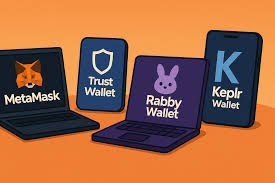
The safest wallets for airdrop farming are typically non-custodial wallets that allow you to control your private keys. Options include hardware wallets, reputable browser extensions like MetaMask or Phantom (with proper security practices), and dedicated mobile wallets. Prioritize wallets with strong community trust, audited code, and features like network isolation.
Understanding Crypto Wallet Safety for Airdrop Farming
When you hear “airdrop farming,” it means trying to get free cryptocurrency. Projects give out tokens to their early users or community members. To get these, you usually need to interact with a blockchain.
This often means connecting your crypto wallet to a website or app. That connection point is where risks can pop up. A compromised wallet can mean lost funds.
That’s why picking a safe wallet is key. It’s like choosing a secure bank vault for your money.
Your wallet holds your private keys. These keys are what give you access to your crypto. If someone gets them, they can take your coins.
This is true for all crypto, not just for airdrop farming. But with farming, you might connect to new, less-known sites. You need a wallet that shields you from these potential dangers.
We’re talking about wallets that keep you in control. They don’t let others access your funds without your direct approval.
We’ll look at different types of wallets. We will see which ones are best for farming. We’ll also cover what makes a wallet safe.
And we’ll talk about what to avoid. This will help you make smart choices. Your goal is to maximize your chances of getting good airdrops.
Your secondary goal, and maybe more important, is to not lose what you already have. Safety first, always.
My Own Airdrop Farming Scare
I remember one night, about two years ago. I was deep into farming an exciting new DeFi project. It promised a huge airdrop if you provided liquidity.
I was using my regular browser wallet, MetaMask. I felt pretty good about it. I’d used it for other airdrops before without issues.
This new site looked legit. It had a clean design and lots of activity in its Discord. I connected my wallet, swapped some tokens, and went to bed.
The next morning, I woke up to a flood of notifications. My wallet was being drained. Not all of it, but a significant chunk of my existing holdings.
Panic set in. I frantically tried to revoke permissions on blockchain explorers. I changed my passwords.
But it was too late. The scammers had found a way. They exploited a vulnerability I didn’t even know existed.
It turned out the website wasn’t what it seemed. It was a clever phishing site. It looked real but stole my approval.
This experience taught me a hard lesson. You can’t just trust a pretty website. You need a serious safety net for your crypto.
My regular wallet, while good, wasn’t enough for this riskier type of activity.
The Different Types of Crypto Wallets
Let’s talk about the main ways you can store your crypto. Each has its own level of safety. Understanding these differences is vital for airdrop farming.
It helps you pick the right tool for the job. Think of it like choosing a lock for your house. A simple padlock is okay for a shed.
But for your main house, you want something much stronger.
We have non-custodial wallets. Then we have custodial ones. For airdrop farming, you almost always want non-custodial.
Let’s explore why that is.
Non-Custodial Wallets: You’re in Control
These are the heroes of crypto security. With a non-custodial wallet, you hold your private keys. That means you are the only one who can access your funds.
Nobody else. Not the wallet company, not anyone. Your keys are your keys.
This is the gold standard for security. It’s a big responsibility, though. If you lose your keys, you lose your crypto.
There’s no customer service line to call for a reset.
For airdrop farming, this is super important. You’re interacting with many different platforms. Some might be good, some might be bad.
If you use a non-custodial wallet, you can disconnect it from a sketchy site. You can control what transactions it approves. This gives you the power to say “no” to suspicious requests.
It’s like having a personal security guard for your digital money.
Common examples of non-custodial wallets include hardware wallets, desktop wallets, mobile wallets, and browser extension wallets. We’ll dive into these next.
Hardware Wallets: The Fort Knox of Crypto
If you’re serious about safety, a hardware wallet is the way to go. Think of devices like Ledger or Trezor. These are like a USB drive.
But they are specially made to store your private keys offline. Your keys never touch the internet. They stay on the device itself.
This makes them incredibly resistant to online hacks.
When you want to make a transaction, like claiming an airdrop or sending crypto, the transaction is signed on the hardware wallet. The private key never leaves the device. The signed transaction is then sent back to your computer or phone to be broadcast to the network.
This is a major security advantage.
For airdrop farming, a hardware wallet is excellent. You can use it for your main, large holdings. You can also set up a separate, new hardware wallet specifically for farming.
This way, even if something goes wrong with a farming site, your main funds are completely safe. They are kept offline. The risk is limited to whatever small amount you might move to the farming wallet.
However, they have a downside. They cost money to buy. They can also be a bit clunky to use for quick, frequent transactions.
But for the highest level of security, they are unmatched.
Browser Extension Wallets: Convenient but Risky
Wallets like MetaMask, Phantom (for Solana), and Coinbase Wallet are very popular. They are browser extensions. This means they live right inside your web browser.
They make it super easy to connect to decentralized apps (dApps). You can claim airdrops with just a few clicks. This convenience is why many people use them for farming.
The big advantage is ease of use. You can quickly swap tokens, interact with smart contracts, and claim rewards. For exploring new DeFi protocols or participating in quick airdrop campaigns, they are fantastic.
But this convenience comes with risks. Because they are online, they are more vulnerable to attacks. Phishing websites can trick you into approving malicious transactions.
Malware on your computer could potentially steal your private key if it’s not stored securely. Also, the browser extension itself could have a vulnerability, though this is less common with well-established wallets.
If you choose to use a browser extension wallet for farming, here’s what you MUST do:
- Use a separate wallet for farming: Never use your main MetaMask wallet that holds your life savings for farming. Create a brand new one.
- Keep seed phrase secret: Write it down offline. Never store it digitally.
- Approve transactions carefully: Read every approval request. Understand what it’s asking for.
- Use strong passwords: And enable any two-factor authentication if available.
- Be wary of websites: Only connect to sites you trust. Check for HTTPS and look for community reviews.
- Use a secure computer: Make sure your operating system is up-to-date. Use good antivirus software.
For farming, a browser wallet can be good if you are very careful. It offers speed. But it requires constant vigilance.
Smart Wallet Setup for Airdrop Farming
Separate Wallets: Always create a new wallet for airdrop farming. Do not use your primary wallet for these activities. This limits potential losses to only the funds in the farming wallet.
Seed Phrase Security: Treat your seed phrase like gold. Write it down on paper. Store it in multiple safe, private locations.
Never save it on your computer or in cloud storage.
Limited Funds: Only put small amounts of crypto into your farming wallet. Enough to cover gas fees and potential interaction costs. Never store large sums there.
Mobile Wallets: On-the-Go Crypto
Mobile wallets are apps you install on your smartphone. Examples include Trust Wallet, Exodus, and the mobile versions of Coinbase Wallet and MetaMask. They are great for everyday use and managing your crypto on the move.
Like browser extensions, they offer convenience. You can often scan QR codes to send and receive crypto. Many also allow you to connect to dApps via a built-in browser.
This makes them suitable for some types of airdrop farming.
The security of a mobile wallet depends heavily on your phone’s security. If your phone is compromised with malware or lost without a passcode, your crypto could be at risk. Always use a strong passcode or biometric lock on your phone.
Keep your phone’s operating system updated.
For airdrop farming, a mobile wallet can be a good middle ground. It’s more portable than a hardware wallet but often considered a bit more secure than a browser extension if your phone is well-protected. Again, the advice is to use a dedicated mobile wallet for farming, not your main one.
Custodial Wallets: Convenience Over Control
Custodial wallets are the ones where a third party holds your private keys for you. Think of cryptocurrency exchanges like Binance, Coinbase, or Kraken. When you keep your crypto on these platforms, you are using a custodial wallet.
The upside is extreme convenience. You don’t need to worry about managing a seed phrase. If you forget your password, you can reset it.
It’s like a traditional bank account. Many people find this very appealing.
However, for airdrop farming, custodial wallets are generally NOT recommended. Here’s why:
- You don’t control the keys: If the exchange gets hacked, or freezes your account, you could lose your funds.
- Limited dApp interaction: Most exchanges don’t allow you to directly connect your account to arbitrary dApps to claim airdrops. You can’t interact with smart contracts easily.
- Airdrops may not be claimable: Some airdrops require you to hold tokens in a non-custodial wallet, not on an exchange.
So, while good for holding and trading, custodial wallets are usually out of the running for active airdrop farming. You need a wallet where you can freely interact with the blockchain and control your keys.
Wallet Type Comparison for Airdrop Farming
Hardware Wallets
- Pros: Highest security, offline keys, great for main funds.
- Cons: Costly, less convenient for frequent small transactions.
- Best for: Storing large amounts, as a secure farming wallet.
Browser Extension Wallets (e.g., MetaMask)
- Pros: Highly convenient, easy dApp interaction, widely used.
- Cons: Online, vulnerable to phishing and malware if not careful.
- Best for: Active farming with strict security practices, limited funds.
Mobile Wallets (e.g., Trust Wallet)
- Pros: Portable, good dApp browser, can be secure if phone is protected.
- Cons: Security tied to phone security.
- Best for: Farming on the go, a balance of convenience and security.
Custodial Wallets (e.g., Exchange Wallets)
- Pros: Very convenient for trading, password reset options.
- Cons: You don’t own keys, limited dApp interaction, not suitable for farming.
- Best for: Holding and trading, not farming.
Key Security Features to Look For
When you’re evaluating a wallet for airdrop farming, what specific features should you be looking for? It’s not just about the type of wallet. It’s about how well it’s built and maintained.
Here are some crucial security aspects:
1. Non-Custodial Nature
As we’ve discussed, this is paramount. You need to control your private keys. This means the wallet should provide you with a seed phrase (also called a recovery phrase or mnemonic phrase).
This phrase is your master key. The wallet provider should never ask for it. They shouldn’t store it.
If they do, it’s a red flag.
2. Open Source Code
For well-established wallets, their code is often publicly available. This is called open-source. It means anyone can look at the code.
Security experts can check it for bugs or backdoors. While not a guarantee of perfection, it builds trust. It allows for community scrutiny.
If a wallet’s code is hidden (proprietary), it’s harder to verify its security.
3. Active Development and Updates
The crypto space changes fast. New vulnerabilities are found. Wallet developers need to be on top of this.
A wallet that is regularly updated is a good sign. It means the team is actively working to fix bugs and improve security. Check the wallet’s website or app store page.
Look for recent update dates and release notes.
4. Strong Community and Reviews
What do other users say? Look for reviews on app stores, crypto forums (like Reddit), and trusted tech sites. A wallet with a large, active, and positive community is generally a safe bet.
Be wary of wallets with lots of negative reviews or reports of lost funds. Remember to distinguish between reports of user error and actual wallet bugs.
5. Audited Smart Contracts (if applicable)
Some wallets have their own smart contracts. If a wallet has undergone security audits by reputable firms, that’s a big plus. Audits mean experts have reviewed the code for vulnerabilities.
While not foolproof, it significantly increases confidence in the wallet’s security.
6. Support for Multiple Blockchains
Airdrops happen on many different blockchains. You might farm on Ethereum, Binance Smart Chain, Polygon, Solana, etc. A wallet that supports multiple blockchains will be more versatile.
You can manage your assets from different networks in one place. This simplifies your farming efforts. However, always ensure the wallet is well-vetted for each blockchain it supports.
7. Network Isolation Features
Some advanced wallets allow you to create different “networks” or “profiles.” This is extremely useful for farming. You could have one profile for high-risk farming with a small amount of funds. You could have another profile for more trusted activities.
This level of isolation adds another layer of security. It ensures that a problem in one profile doesn’t affect another.
My Personal Experience with Network Isolation
After that scary incident I told you about, I got really paranoid. I was still keen to farm airdrops, but I was terrified of losing my main portfolio. I started using MetaMask, but I created a new wallet for every single new farming project.
This became incredibly tedious. I was juggling dozens of seed phrases and accounts.
Then I discovered the power of creating separate networks within MetaMask. I set up one dedicated network, almost like a separate wallet instance, just for high-risk farming. I named it something like “Airdrop Junk Drawer.” I would only ever send a small amount of ETH or MATIC to this network.
Just enough to cover gas fees for a few transactions. If I connected to a shady site or approved a bad contract, the damage was contained. It could only touch the funds in that specific “Airdrop Junk Drawer” network.
My main MetaMask wallet, with all my serious investments, remained untouched and secure. It was a game-changer for my farming strategy. It felt like having my cake and eating it too – I could farm without the constant, overwhelming fear.
Setting Up a Separate Farming Wallet (MetaMask Example)
Create New Wallet: In MetaMask, click the account icon at the top right. Select “Create account.” Give it a clear name like “Airdrop Farm Wallet.”
Seed Phrase Backup: Immediately back up the seed phrase for THIS NEW wallet. Store it securely and separately from your main wallet’s seed phrase.
Fund Sparingly: Only transfer a small amount of cryptocurrency (enough for gas fees) to this new wallet. Never transfer your primary holdings.
Connect with Caution: Use this “Airdrop Farm Wallet” to connect to new dApps and participate in farming activities. Always review transaction requests carefully.
What to Avoid When Choosing a Wallet for Farming
Just as important as knowing what to look for is knowing what to avoid. These are red flags that scream “danger” when it comes to crypto wallets, especially for activities like airdrop farming.
1. Wallets That Ask for Your Seed Phrase
This is the number one rule. No legitimate wallet provider will ever ask for your seed phrase. If a website, an email, or even a pop-up in a wallet asks for it, it is a scam.
Your seed phrase is your master key. Guard it with your life.
2. Wallets with Poor Security Track Records
If you see consistent reports of users losing funds due to the wallet itself (not user error), steer clear. Do your research. Check forums and news sites for any major security breaches or scandals associated with the wallet.
3. Unknown or Shady Wallet Providers
Stick to well-known, reputable wallets. If a wallet is brand new, has no online presence, or seems too good to be true, it probably is. Scammers create fake wallets to trick people into giving up their keys.
4. Wallets That Require Excessive Personal Information
While some wallets might require KYC (Know Your Customer) for specific features, a basic non-custodial wallet for farming shouldn’t need your ID or social security number. If a wallet demands this upfront for simple key management, be suspicious.
5. Wallets That Promise Unrealistic Returns or “Guaranteed” Airdrops
If a wallet is advertised with claims of guaranteed profits or access to exclusive, sure-thing airdrops, it’s a scam. Legitimate airdrop farming involves risk and effort. There are no guarantees.
6. Wallets Tied to Suspicious Platforms
Be careful if a wallet is heavily promoted by a new, unproven platform or a platform known for scams. Often, the wallet is just a tool to get you to deposit funds into the scammer’s control.
My friend once fell for a wallet that claimed to “auto-compound” your rewards and give you extra airdrops. It looked slick. But it required you to deposit your crypto into their platform which was essentially a custodial wallet they controlled.
They promised amazing returns. Within weeks, the platform vanished, taking all the users’ funds with it. A hard lesson for him.
Best Practices for Airdrop Farming Safety
Beyond just choosing the right wallet, there are ongoing practices you should follow to stay safe. Think of these as your daily crypto hygiene habits.
1. Use a Dedicated Farming Wallet
I can’t stress this enough. Have a wallet that is ONLY for farming. Never mix your main holdings with your farming activities.
Keep only the minimum necessary funds in your farming wallet.
2. Never Share Your Seed Phrase or Private Keys
This is the golden rule. Your seed phrase is the only thing that gives you access to your wallet. If anyone has it, they have your crypto.
Keep it offline and private.
3. Be Skeptical of All Links and Websites
Phishing is rampant. Scammers create fake websites that look identical to real ones. Always double-check the URL.
Ensure it’s the official site for the project or wallet. Use bookmarks for sites you trust.
4. Review All Transaction Approvals
Before you click “Approve” or “Sign,” read what the transaction is asking. Does it seem reasonable? Is it asking for permission to spend an unlimited amount of your tokens?
Or to transfer your NFTs? If it looks suspicious, deny it. You can also use tools like Revoke.cash to see and cancel existing permissions.
5. Keep Your Software Updated
Ensure your wallet software, your browser, and your operating system are all up-to-date. Updates often include critical security patches that protect you from known exploits.
6. Use a Secure Internet Connection
Avoid using public Wi-Fi for any crypto-related activities, especially connecting your wallet. Public networks are often unsecured and can be easily monitored by hackers.
7. Enable Network Isolation (if possible)
As mentioned, setting up separate networks or using different wallet instances for different types of farming can significantly reduce risk. If one farm goes bad, it won’t affect your other activities.
8. Start Small and Learn
If you’re new to airdrop farming, start with very small amounts of crypto. Get comfortable with the process and the risks involved before you commit more significant funds. Learn by doing, but do it cautiously.
I once saw a forum post where someone accidentally approved a malicious contract on a brand new NFT marketplace. They had their entire NFT collection in that wallet. The scammer immediately swept all their valuable NFTs.
It was a devastating loss. They hadn’t checked the contract details. They just clicked “Approve” quickly to get into the new market.
This is why careful review is essential.
Which Wallets Are Generally Considered Safest for Airdrop Farming?
Considering all these factors, certain wallets consistently rise to the top for their safety and suitability for airdrop farming, assuming you follow best practices.
1. Hardware Wallets (Ledger, Trezor)
These are the top tier for security. You can use a hardware wallet for your main assets and set up a separate, new hardware wallet specifically for farming if you’re very risk-averse and have the budget. The key is still to only transfer limited funds to the farming-specific device.
2. MetaMask (with strict practices)
Despite the risks, MetaMask remains one of the most popular and widely supported wallets for DeFi and airdrop farming. Its vast ecosystem support and frequent updates make it a powerful tool. The key is to implement the security best practices we’ve discussed rigorously.
Use it for a dedicated farming wallet, never your primary one.
3. Phantom (for Solana)
Similar to MetaMask but for the Solana ecosystem. It’s user-friendly and widely used for Solana-based dApps and airdrops. Again, treat it as a disposable farming wallet and follow all security guidelines.
4. Trust Wallet
This is a solid mobile wallet option. It supports many blockchains and has a built-in dApp browser. If you prefer managing your crypto from your phone, Trust Wallet is a good choice.
Ensure your phone is secure.
Remember, no wallet is 100% hack-proof. The “safest” wallet is often a combination of a secure wallet choice and your own diligent security practices. The user is the strongest link or the weakest link in the chain.
Real-World Scenarios and When to Worry
Let’s think about some common situations you’ll encounter while airdrop farming and how to handle them safely.
Scenario 1: The “Connect Wallet” Prompt
You land on a new project’s website. It immediately asks you to “Connect Wallet.”
- Normal: This is standard for most dApps. The site needs to see which wallet you’re using to interact.
- Concerning: If the site looks unprofessional, has broken links, or demands you connect before providing any information about the project, be cautious. Double-check the URL.
- Action: Use your dedicated farming wallet. Review the permissions the site asks for upon connection.
Scenario 2: The “Approve Token Spending” Request
You’re trying to swap tokens or use a service. The wallet prompts you to “Approve” the contract to spend your tokens.
- Normal: This is necessary for smart contracts to interact with your tokens (e.g., to facilitate a swap).
- Concerning: If it asks to spend an “unlimited” amount, or if the contract address looks very different from what you expect.
- Action: Only approve if you are performing a specific action (like a swap). Set a limited spending amount if the wallet allows it. If unsure, deny.
Scenario 3: The “Claim Airdrop” Button
You’ve met the criteria for an airdrop. There’s a button to claim your tokens.
- Normal: You click it, and your wallet pops up asking you to confirm a transaction (which will likely have a gas fee).
- Concerning: If it asks for your seed phrase to claim, or if it doesn’t prompt a wallet transaction but instead asks for personal details.
- Action: Confirm the transaction in your wallet. Be prepared to pay gas fees. If it doesn’t prompt a transaction, it’s likely a scam.
Scenario 4: The Unexpected “Airdrop Alert” Pop-up
You’re browsing the web, and a pop-up says you’ve won a free airdrop and to click here to claim.
- Normal: Very rare, and usually a scam. Legitimate airdrops are announced by the project.
- Concerning: Almost always a scam. These are designed to trick you into visiting a phishing site.
- Action: Ignore and close the pop-up immediately. Never click on unsolicited airdrop alerts.
I remember seeing a really flashy ad once for a new “super wallet” that guaranteed massive airdrops. It had celebrity endorsements (which turned out to be fake). The website looked amazing.
But when you dug into it, there was no company registration, no real team info. It was a textbook example of a fake product designed to steal your seed phrase when you “set it up.” Always do your homework.
Quick Fixes and Tips for Ongoing Safety
Here are some practical steps you can take right now to enhance your airdrop farming safety:
- Revoke Unnecessary Permissions: Regularly visit sites like Revoke.cash or MyEtherWallet’s token approval manager. See which dApps have permission to spend your tokens. Revoke any that you no longer use or trust. This is crucial.
- Use a Strong, Unique Password: For your wallet’s password and any associated exchange accounts, use a complex, unique password. A password manager can help you generate and store these securely.
- Enable Biometrics: If your wallet and device support fingerprint or facial recognition, use it. It adds a quick, convenient layer of security for everyday access.
- Beware of “Gasless” Transactions: While some Layer-2 solutions offer gasless transactions, be extremely wary if a site promises gasless claiming for a high-value airdrop on a mainnet. It could be a trick to get you to approve something malicious.
- Educate Yourself on Common Scams: Stay informed about the latest crypto scam tactics. Following reputable crypto news sources and security alerts can help.
- Limit Your Exposure: The less crypto you have in your farming wallet, the less you can lose. Only transfer what you need for immediate farming activities.
- Double-Check Contract Addresses: When interacting with new DeFi protocols or claiming tokens, always verify the smart contract address. Compare it with official project announcements or reputable explorers like Etherscan or Solscan.
Quick Safety Checklist for Airdrop Farming
Wallet Choice:
- YES: Hardware Wallet, Dedicated Non-Custodial Browser/Mobile Wallet.
- NO: Custodial Exchange Wallet, Unknown/Shady Wallet Provider.
Seed Phrase:
- YES: Stored securely offline, never shared.
- NO: Stored digitally, shared with anyone.
Transactions:
- YES: Reviewed carefully, limited approvals, reasonable gas fees.
- NO: Approving unlimited amounts, suspicious requests, unsolicited alerts.
Website Interaction:
- YES: Verified URLs, trusted sources, used bookmarks.
- NO: Clicking random links, connecting to unknown sites, trusting pop-ups.
Frequently Asked Questions
Is it safe to connect my MetaMask wallet to a new DeFi protocol for an airdrop?
It can be, but only if you take precautions. Always use a dedicated MetaMask wallet for farming, not your primary one. Keep only small amounts of funds in it.
Thoroughly review any transaction or permission requests before approving. Verify the protocol’s legitimacy through community feedback and official channels.
What is the biggest risk when farming crypto airdrops?
The biggest risk is connecting your wallet to malicious websites or smart contracts. These can trick you into signing away your tokens, draining your wallet, or installing malware. Phishing and smart contract vulnerabilities are the main dangers.
Should I use a hardware wallet for airdrop farming?
A hardware wallet offers the highest level of security. You can use one for farming by setting up a new wallet on it and only transferring small amounts. However, they are less convenient for frequent interactions.
For maximum safety, especially with larger potential airdrops, a hardware wallet is excellent.
How can I protect myself from phishing scams when farming airdrops?
Always double-check website URLs before connecting your wallet. Never click on unsolicited links from emails or social media. Bookmark official project websites.
Be skeptical of urgent requests or offers that seem too good to be true. Use a separate, less-funded wallet for farming.
What should I do if I think my wallet has been compromised?
If you suspect your wallet is compromised, act immediately. If it’s a browser extension or mobile wallet, try to revoke any suspicious token approvals at sites like Revoke.cash. If you can, transfer any remaining funds to a completely new, secure wallet.
Change all passwords associated with your crypto accounts. For hardware wallets, the funds are safer as keys are offline, but still revoke approvals if possible.
Can I farm airdrops using multiple browser extension wallets?
Yes, you can. Many users create multiple instances of wallets like MetaMask, each with its own seed phrase and limited funds, for different farming activities. This isolation helps contain risks.
Ensure each wallet has a unique, securely stored seed phrase.
Conclusion
Airdrop farming can be a rewarding part of the crypto journey. But it’s crucial to approach it with safety as your top priority. By choosing the right wallet, understanding its security features, and practicing diligent security habits, you can significantly minimize your risks.
Remember to always use a dedicated farming wallet with limited funds, guard your seed phrase fiercely, and be incredibly cautious about every website and transaction you interact with. Stay informed, stay vigilant, and happy farming!