
An airdrop snapshot date is the exact moment a blockchain network or project takes a record of all wallet addresses holding a specific token. If your wallet has the required tokens at that moment, you are eligible for the airdrop. Missing this date means you miss the chance for the free tokens.
Understanding Airdrop Snapshot Dates
In the crypto space, airdrops are common. Projects often give away free tokens. This helps them gain users and spread their coin.
But there’s a catch. You usually need to meet certain criteria. One of the most important is being active on the network before a specific date.
This date is called the snapshot date. It’s like a photo of the blockchain at a certain time. Anyone on that “photo” with the right tokens gets the reward.
The network takes this snapshot to decide who gets the airdrop. Think of it like a guest list for a party. If your name isn’t on the list at the exact moment it’s checked, you can’t get in.
For airdrops, if your wallet isn’t holding the specified tokens at the snapshot time, you won’t get the free coins. This is why knowing the airdrop snapshot date is so crucial. It tells you the deadline to get your crypto ready.
Why do projects do this? It’s a fair way to reward early supporters. People who bought or used the token before the snapshot are seen as believers.
They took a risk. This system rewards that loyalty. It also helps decentralize the token distribution.
More people get tokens, which can make the network stronger. But the timing is everything. A missed snapshot date means a missed opportunity.
The challenge for many users is simply keeping track. There are so many projects. Each has its own rules and dates.
It’s easy to lose track. You might hear about an airdrop after it happens. Then you realize you missed the snapshot.
That’s a common and annoying problem. We’ll explore how to avoid this common pitfall.
My Own Airdrop Nightmare
I remember a time early in my crypto journey. I was excited about a new decentralized finance (DeFi) protocol. It was creating some buzz.
They announced an upcoming airdrop for early users. My heart sank a little. I knew I had some of their governance tokens.
But I couldn’t recall when I bought them or if I still held enough. Panic set in. I scrambled to check my wallet history.
It was late at night. The deadline was the next morning. I found I had sold some tokens a week before.
I was just below the minimum requirement. I felt so dumb. All that effort to get ready, and I missed it by a hair.
That night taught me a big lesson. You need a system to track these things. Relying on memory is a recipe for disaster.
Now, I have alerts and lists. It makes a world of difference.
Airdrop Snapshot: The Core Idea
What is it? A record of your wallet holdings.
When? A specific date and time set by the project.
Why? To decide who gets free tokens.
Your Goal: Be eligible at that exact moment.
The snapshot process itself is quite technical. It happens on the blockchain. It’s a point-in-time data pull.
This data shows which addresses hold how many of the required tokens. This information is then used to calculate the airdrop distribution. It’s not something users directly interact with.
It’s an automated process. But its outcome is very real for those hoping to get free crypto.
Understanding the mechanics can be helpful. It demystifies the process. It shows that it’s a structured event.
It’s not random. Projects plan these carefully. They want to reward their community.
They want to grow their ecosystem. The snapshot is the key event in that plan. It’s the moment of truth for eligibility.
Everything else – the announcement, the distribution – happens around this central event.
Many new crypto users are drawn to airdrops. They see it as a way to get started with little risk. It’s true that airdrops can be a great entry point.
You can acquire tokens without buying them. But it’s important to approach them smartly. This means being organized and informed.
It means knowing the airdrop snapshot date and preparing for it.
Why Tracking Snapshot Dates is Hard
Let’s be honest. Keeping track of crypto news is a full-time job. Projects launch almost daily.
Each has its own roadmap. Each has its own marketing strategy. Many will announce airdrops.
Some announce them far in advance. Others drop the news with little warning. This creates a chaotic environment for tracking important dates like a snapshot.
You might follow a project on Twitter. Then they announce an airdrop. But they might not mention the snapshot date right away.
They might say, “Snapshot coming soon.” Or they might say, “Snapshot will be within the next quarter.” This is helpful but not specific enough for precise planning. You need a concrete date and time. Without it, you’re always guessing.
You might be holding tokens for weeks or months, only to realize the snapshot happened while you were busy.
Another challenge is the sheer volume of information. News comes from many sources. There’s Twitter, Discord, Telegram, Reddit, project blogs, and crypto news sites.
Trying to monitor all of them actively is exhausting. You could easily miss an important update. A single Tweet from a busy project account might contain the crucial airdrop snapshot date.
If you miss that Tweet, you miss the date.
Then there are the different types of snapshots. Some are for staking tokens. Others are for using a dApp.
Some are for holding a specific NFT. Each type has its own requirements and, you guessed it, its own snapshot date. So, it’s not just one date to track, but many, with varying conditions.
This complexity adds to the difficulty of staying organized.
Common Airdrop Snapshot Challenges
- Too many projects to follow.
- Vague announcements of dates.
- Information spread across many platforms.
- Different types of snapshots with different rules.
- Sudden announcements with little notice.
I’ve seen people get burned by this. They hold a token for months, believing they are positioning themselves for an airdrop. Then, the announcement comes: the snapshot was last week.
They had the tokens, but not at the right time. The market can also be volatile. People might sell tokens out of fear or for other investment opportunities.
Then, they miss the snapshot because they no longer hold the required assets. This makes managing your portfolio and tracking airdrops a delicate balancing act.
The crypto world moves at lightning speed. What was relevant yesterday might be old news today. This constant churn makes it hard to maintain a solid grasp on upcoming events.
It requires dedication and a good strategy to stay ahead. Without a reliable way to track the airdrop snapshot date, you’re essentially playing a guessing game. And in crypto, that’s rarely a winning strategy.
The Importance of Early Preparation
Once you know the airdrop snapshot date, preparation is key. This isn’t just about having the tokens. It’s about understanding all the criteria.
Some airdrops require more than just holding a token. You might need to interact with a decentralized application (dApp). You might need to provide liquidity on a decentralized exchange (DEX).
Or you might need to hold a specific NFT. All these actions take time.
If you wait until the last minute, you won’t have time to do them. For example, if an airdrop requires you to use a dApp, you need to download it, set it up, and perform transactions. These transactions cost gas fees.
If you’re not prepared, you might not have enough native tokens (like ETH for Ethereum) to pay for the gas. This can prevent you from completing the required actions before the snapshot. Then, even if you hold the main token, you might be disqualified.
Early preparation also helps you avoid making mistakes. When you’re rushed, you’re more likely to send tokens to the wrong address. You might approve a malicious smart contract.
You might fall for a scam. Taking your time allows you to research the project thoroughly. You can verify information from official sources.
This reduces the risk of falling victim to fraud.
Preparation Checklist (Before the Snapshot)
- Verify Eligibility: What tokens or actions are required?
- Gather Assets: Ensure you have the necessary tokens.
- Allocate Gas: Have enough native currency for transaction fees.
- Interact with dApps: If required, use the platform.
- Research: Confirm official channels and requirements.
- Set Reminders: Mark the snapshot date and time clearly.
Consider the gas fees. On networks like Ethereum, gas fees can spike at peak times. If a snapshot date coincides with high network congestion, your transactions might become very expensive or even impossible to complete in time.
Planning ahead allows you to make the required interactions when gas fees are lower. This saves you money and reduces stress. It’s all about being strategic.
Furthermore, some airdrop criteria involve a time commitment. For instance, you might need to stake tokens for a certain period. Or you might need to hold a token for a specific duration before the snapshot.
If you don’t start early, you’ll never meet these time-based requirements. The airdrop snapshot date is not just a deadline; it’s a culmination of your preparation.
Having a structured approach is vital. It transforms a potentially stressful event into a manageable process. It allows you to benefit from airdrops without the anxiety of missing out.
This proactive stance is what separates successful airdrop hunters from those who constantly feel behind.
Tools and Strategies for Tracking
The good news is you don’t have to do this all manually. The crypto community has developed some fantastic tools and strategies to help. These can make tracking airdrop snapshot dates much simpler.
Let’s explore some of the most effective ones.
One of the most popular methods is using specialized websites. There are many crypto news and data aggregators. Some of these focus specifically on airdrops.
They list upcoming airdrops, their requirements, and crucially, their snapshot dates. These sites often provide links to official announcements. They serve as a central hub for airdrop information.
Some of these platforms allow you to set up alerts. You can choose which types of airdrops you’re interested in. You can specify certain blockchain networks.
Then, you’ll receive notifications when new airdrops are announced or when snapshot dates are confirmed. This automation is a game-changer. It means you don’t have to constantly check dozens of websites.
Airdrop Tracking Tools & Resources
Airdrop Aggregator Websites: Look for sites that list upcoming airdrops and their dates.
Crypto Newsletters: Many reputable crypto news outlets have weekly or daily newsletters that cover airdrop news.
Social Media Monitoring: Follow key projects and reputable airdrop alert accounts on Twitter and Telegram.
Community Forums: Reddit communities dedicated to airdrops can be informative.
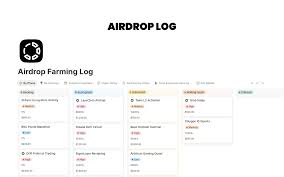
Your Own Spreadsheet: A simple spreadsheet can help organize your tracked airdrops.
Social media is another powerful tool. Many projects announce snapshots on Twitter or Discord. It’s a good idea to follow projects you’re interested in.
Also, follow reputable airdrop alert accounts. These accounts often aggregate information from many projects. They have teams dedicated to finding and reporting snapshot dates.
But always double-check their information with official project announcements. Scammers often impersonate these accounts.
Don’t underestimate the power of a simple spreadsheet or a physical calendar. If you find an airdrop with a confirmed airdrop snapshot date, write it down. Include the project name, the date, the time, the blockchain network, and the basic requirements.
Set reminders for yourself a week before, a few days before, and the day of the snapshot.
Consider joining dedicated Telegram or Discord groups. Many projects have these channels. They are often the first place where official announcements are made.
You can ask questions and get direct information. However, be wary of direct messages from unknown individuals. They often try to scam you.
Stick to official channels and public announcements.
Some advanced users even use scripting or bots to monitor project announcements. This is more for experienced users. For most people, a combination of dedicated airdrop websites, social media alerts, and personal organization will be sufficient.
The key is to find a system that works for you and stick with it. Consistency is more important than finding the “perfect” tool.
Remember, verification is crucial. Always try to confirm the snapshot date and requirements from the project’s official website or its verified social media channels. Fake announcements can mislead you and cause you to miss out or even fall for a scam.
Always do your own research (DYOR).
Navigating Different Snapshot Types
It’s important to understand that not all airdrop snapshots are the same. The criteria for eligibility can vary wildly. This means your tracking strategy might need to adapt based on the type of airdrop you’re pursuing.
Some snapshots are for token holders. This is the most straightforward. You need to hold a specific token in your wallet on the snapshot date.
For example, a project might announce an airdrop for holders of its native token. The amount you receive might depend on how many tokens you hold.
Other snapshots are for users of a specific dApp. This means you need to have interacted with the application before the snapshot. This could involve making a trade on a decentralized exchange, staking assets on a DeFi platform, or participating in a decentralized autonomous organization (DAO) vote.
The more you use the dApp, or the earlier you started using it, the higher your chances might be.
Snapshot Criteria Examples
Token Holder Snapshot: Must hold Token X in your wallet.
dApp User Snapshot: Must have used dApp Y at least once before the date.
Liquidity Provider Snapshot: Must have provided liquidity on DEX Z.
NFT Holder Snapshot: Must own a specific NFT from Collection A.
Network Activity Snapshot: Must have made transactions on Network B.
Then there are snapshots for network participants. Some blockchains might perform a snapshot to reward users who actively use their network. This could include making transactions, interacting with smart contracts, or even running a node.
These snapshots often target early adopters and active community members.
NFT holders can also be eligible for token airdrops. A project might decide to airdrop tokens to holders of a particular NFT collection. This is often done to reward the community around a related ecosystem or to onboard NFT holders into their new token.
The airdrop snapshot date would be the date they check which wallets hold those specific NFTs.
It’s critical to understand the specific requirements for each airdrop. Don’t assume. Always read the official announcement carefully.
Look for details about the token needed, the actions required, and the exact snapshot date and time. Some projects even specify the blockchain network for the snapshot (e.g., Ethereum, Polygon, Solana). Make sure you are interacting on the correct network.
For instance, if a project requires you to use their dApp, check if there are any minimum usage requirements. Do you need to make a certain number of transactions? Do you need to achieve a specific volume?
These details can make a big difference in your eligibility. Ignoring them is how people miss out. The more complex the requirements, the more crucial early preparation becomes.
The key takeaway is that each airdrop is unique. While the concept of a snapshot date is universal, the conditions leading up to that date are not. Being adaptable and diligent in understanding these nuances is what makes a successful airdrop tracker.
This careful attention to detail is what guarantees you don’t miss the moment.
Staying Safe and Avoiding Scams
The world of crypto airdrops, while exciting, also attracts a lot of bad actors. Scammers love airdrops because they prey on people’s eagerness to get free crypto. It’s vital to be vigilant and protect yourself.
A misplaced click or a moment of greed can cost you dearly.
The most common scam involves fake websites or social media accounts. These look identical to legitimate project pages. They will ask you to connect your wallet and approve transactions.
Often, these transactions are not for claiming an airdrop. Instead, they are to drain your wallet of all its assets. NEVER connect your wallet to a website you haven’t thoroughly vetted.
Another red flag is when a project asks you to send them crypto to receive an airdrop. Legitimate airdrops are free. You might have to pay gas fees for transactions, but you should never have to send tokens to the project itself to claim your reward.
If someone asks for this, it’s a scam.
Airdrop Scam Red Flags
- Asking you to send crypto to “claim” airdrop.
- Requests to connect your wallet to unverified sites.
- Promises of guaranteed high returns or large amounts.
- Urgency tactics (“Act now or miss out!”).
- Typos or poor grammar in official-looking messages.
- Direct messages asking for private keys or seed phrases.
Be extremely cautious of direct messages (DMs) on platforms like Telegram or Discord. Many scammers will reach out to you privately, claiming to be from the project’s support team. They might tell you there’s a problem with your eligibility and you need to act fast.
They will then try to trick you into revealing your private key or seed phrase. Your private key and seed phrase are the keys to your crypto kingdom. NEVER share them with anyone, ever.
Always rely on official sources for information. Look for the project’s official website, which you can usually find linked from reputable crypto data sites like CoinMarketCap or CoinGecko. Check their official Twitter and Discord channels.
Verify that the links provided are correct and haven’t been tampered with. Pay attention to the number of followers and engagement on social media. Look for verified badges.
When interacting with smart contracts, use tools that help you understand what you’re approving. Services like Etherscan (for Ethereum) allow you to view contract details. Some wallet providers also offer warnings for potentially malicious contracts.
It’s better to be safe than sorry. Take your time to read any pop-up windows from your wallet before confirming transactions.
If an airdrop sounds too good to be true, it probably is. Huge rewards with minimal effort are usually a sign of a scam. Legitimate projects often have requirements that reflect genuine community engagement or early support.
The airdrop snapshot date is part of a legitimate process, not a tool for exploitation.
By staying informed, being skeptical, and always verifying information from official sources, you can significantly reduce your risk of falling victim to scams. The goal is to gain free crypto, not to give your existing crypto away to criminals. A disciplined approach protects your assets while you pursue legitimate opportunities.
When is an Airdrop Snapshot Worth It?
With so many airdrops out there, it’s easy to get caught up in the frenzy. But not every airdrop is created equal. Some are genuine opportunities to gain valuable assets, while others might be a waste of time and effort.
So, how do you decide which ones are worth pursuing?
The first thing to consider is the project itself. Does it have a clear purpose? Is it solving a real problem in the crypto space?
Does the team behind it have a good track record? Research the project’s whitepaper, its team members, and its roadmap. Look for established projects with active development and a growing community.
A reputable project is more likely to conduct a legitimate airdrop.
Consider the tokenomics. What is the total supply of the token? How is it distributed?
Is a significant portion allocated to the airdrop? Understanding how the token is designed helps you assess its potential long-term value. A large, well-distributed airdrop from a project with sound tokenomics can be very promising.
Evaluating Airdrop Worthiness
Project Legitimacy: Is the project credible and solving a problem?
Team Reputation: Does the team have experience and a good history?
Tokenomics: Is the token supply and distribution reasonable?
Community Engagement: Does the project have an active and growing community?
Requirements vs. Reward: Do the effort and cost justify the potential reward?
Network and Tech: Is it built on a reliable blockchain with good tech?
The requirements for the airdrop are also a major factor. If an airdrop requires you to spend a lot of money on gas fees, engage in complex tasks that take hours, or hold a very expensive token, you need to weigh that against the potential value of the airdrop. Sometimes, the cost of participation can exceed the value of the tokens you receive.
A good rule of thumb is to focus on airdrops where the effort is proportional to the potential reward. For instance, if you’re already using a dApp or holding a token that might be eligible for an airdrop, that’s a low-effort, potentially high-reward scenario. These are often the best opportunities.
If you have to go out of your way significantly, pause and consider if it’s truly worth your time.
The blockchain network itself matters. Airdrops on more established and secure blockchains like Ethereum or Binance Smart Chain might be considered more reliable than those on newer, less tested networks. However, many newer networks offer exciting opportunities with lower gas fees.
Finally, consider the timing of the airdrop snapshot date. Is it close enough that you can realistically prepare? Or is it so far in the future that the project might change its plans or even disappear?
Shorter timeframes for preparation can sometimes indicate a more immediate and tangible opportunity, but also require more urgent tracking.
Ultimately, deciding if an airdrop is “worth it” is a personal judgment. It involves research, risk assessment, and a bit of intuition. By focusing on reputable projects, understanding the requirements, and carefully managing your costs, you can significantly increase your chances of participating in airdrops that are genuinely valuable.
The Future of Airdrop Tracking
As the crypto space evolves, so will the methods for tracking airdrops. We’ve seen a shift from simple token giveaways to more sophisticated reward mechanisms. This means the way we track them needs to adapt too.
We are likely to see more AI-powered tools emerge. These could help analyze project data, predict potential airdrops, and even provide risk assessments. Imagine an AI that scans thousands of project updates daily and flags potential airdrops with high confidence, even before they are officially announced.
This could revolutionize airdrop hunting.
Cross-chain airdrops will become more common. As more blockchains develop interoperability solutions, projects will look to reward users across multiple networks. This will require tracking tools that can monitor activity on various blockchains simultaneously.
Keeping track of a single airdrop snapshot date might become a complex task involving multiple networks.
Future Trends in Airdrop Tracking
AI-Powered Analysis: Predictive tools for identifying potential airdrops.
Cross-Chain Monitoring: Tools that track eligibility across multiple blockchains.
Decentralized Tracking Platforms: User-owned platforms for managing airdrop information.
Gamified Tracking: Interactive ways to discover and manage airdrops.
Enhanced Verification: More robust systems to combat scams and fake announcements.
Decentralized platforms might also play a larger role. Instead of relying on centralized websites, users could contribute to and benefit from decentralized databases of airdrop information. This could lead to more community-driven and transparent tracking systems.
We might also see more focus on “real-world utility” airdrops. Projects will likely reward users who actively contribute to the ecosystem in meaningful ways, beyond just holding tokens. This could include bug reporting, content creation, or governance participation.
Tracking these will require a deeper understanding of community contributions.
The core challenge of information overload and the need for timely updates will persist. Therefore, sophisticated aggregation and notification systems will remain essential. The airdrop snapshot date will still be the critical point, but the pathways to qualify for it will likely become more diverse and complex.
Ultimately, the goal of tracking will remain the same: to identify legitimate opportunities and prepare effectively. As the crypto landscape matures, so will the tools and strategies we use to navigate its exciting and sometimes bewildering airdrop opportunities. Staying informed and adaptable is the best strategy for the future.
Frequently Asked Questions About Airdrop Snapshot Dates
What is the most important thing to remember about a snapshot date?
The most important thing is that your wallet must meet the criteria at that exact moment. If you acquire the required tokens or perform the necessary actions after the snapshot, you will not be eligible for the airdrop.
Can I change my wallet address after the snapshot date if I qualify?
Usually, no. The snapshot is a record of your wallet at a specific time. The airdrop is typically sent to the same wallet address that was recorded during the snapshot.
If you transfer tokens out of that wallet after the snapshot, you will still be eligible, but the reward will go to the snapshot wallet.
What happens if a project announces a snapshot date but then changes it?
Reputable projects will clearly communicate any changes to a snapshot date. Always double-check official announcements. If a project significantly changes a date without clear communication, it could be a red flag.
Stick to verified information from the project’s official channels.
How do I know if I was eligible for a past airdrop?
Projects typically provide a tool on their website or a link to a blockchain explorer where you can check your eligibility after the distribution has occurred. Look for an “Airdrop Checker” or similar feature on the project’s official site. You will usually need to enter your wallet address.
Are there any fees associated with claiming an airdrop after the snapshot?
Yes, often there are. While the tokens themselves are free, you typically need to pay a network transaction fee (gas fee) to claim them. This fee varies depending on the blockchain network and its current congestion level.
Make sure you have enough of the native cryptocurrency in your wallet to cover these fees.
Can I have tokens in multiple wallets to increase my chances?
This depends on the project’s rules. Some projects allow it, rewarding each eligible wallet separately. Others might have rules against multiple entries from the same individual, especially if they detect overlapping patterns.
It’s always best to check the specific airdrop’s terms and conditions. Be aware that trying to game the system can lead to disqualification.
Conclusion
Tracking airdrop snapshot dates can feel like a challenge, but it doesn’t have to be. By using the right tools, staying organized, and being vigilant against scams, you can confidently navigate the world of crypto airdrops. Remember to always verify information and prepare early.
This approach will help you capitalize on opportunities and avoid the common pitfalls. Happy hunting!