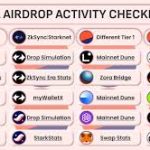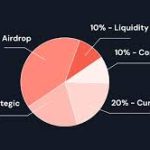

Retroactive airdrop criteria often involve actions taken by users before a certain date. These actions usually show genuine engagement with a project’s ecosystem. Think about early adoption, active participation, and contribution. Understanding these patterns can help you position yourself for future rewards in the crypto space.
What Are Retroactive Airdrops?
Retroactive airdrops are a way for crypto projects to thank their early supporters. They give out free tokens or coins. This happens after the project is already up and running. It’s not a planned giveaway for the future. Instead, it’s a reward for past actions. The project looks back at who used its services. They decide who gets a share of these free tokens.
This method is popular because it rewards loyalty. It also helps spread the tokens to active users. It’s different from a pre-announced giveaway. In those, you know exactly what to do. For retroactive airdrops, you often don’t know until after the fact. The project decides what actions were important. They then distribute tokens based on that.
Why do projects do this? It’s a smart move. It shows appreciation. It also builds a stronger community. Early users feel valued. New users see that engagement pays off. It’s a way to decentralize token ownership. It gives power to the people who helped build the project. This is a core idea in many crypto projects.
My First “Oops, I Missed It!” Moment
I remember the first time I really understood retroactive airdrops. I was deep into exploring a new decentralized exchange (DEX). I loved its features. I used it a lot. I traded tokens back and forth. I even tried out their new lending platform. I thought it was just a cool tool. A few months later, bam! A huge announcement. They were giving away tokens.
It was for all users who had traded on the platform before a specific date. My heart sank. I had traded way more than the minimum requirement. I had been an active user for weeks. But I didn’t know it was a qualification event. I had treated it like any other tool. I didn’t think about future rewards. That day, I learned a valuable lesson. Every interaction could matter.
It felt like a missed opportunity. I had done all the work. I had been an early adopter. I had shown real interest. Yet, I got nothing. It was a bit frustrating. But it also lit a spark. I started paying more attention. I began researching projects more deeply. I looked for clues. I wanted to avoid that “oops” feeling again.
Common Criteria for Retroactive Airdrops
Projects look for specific signs of user commitment. These signs show you’re not just a fly-by-night user. You’re someone who believes in the project. You’re helping it grow. Let’s break down what these common actions are.
Early Adoption and Engagement
Being among the first to try a new project is key. This often means using a platform when it first launches. It could be a new blockchain, a DEX, or a DeFi protocol. The earlier you jump in, the more valuable your engagement might be. This shows you have conviction.
Active Use of Core Features
Simply signing up isn’t usually enough. Projects want to see you actively using their main tools. For a DEX, this means making trades. For a lending protocol, it means borrowing or lending assets. For a blockchain, it could mean running a node or interacting with smart contracts. Consistent activity matters more than a single large action.
Interacting with Smart Contracts
Many crypto projects run on blockchains. These use smart contracts. These are like self-executing agreements. Interacting with these contracts shows you’re using the underlying technology. This could be swapping tokens, staking assets, or minting NFTs. The more diverse your smart contract interactions, the better.
Community Participation
Some projects value community input. This might include joining their Discord or Telegram group. It could mean providing feedback. It might involve reporting bugs. Helping other users or contributing content can also be a sign. This shows you’re invested in the project’s success beyond just using its tools.
Holding Specific Tokens or NFTs
Sometimes, airdrops are for holders of certain other tokens or NFTs. This can be a way to bootstrap a new project. They partner with an established one. Holding these assets shows you are part of a related ecosystem. It’s a signal of your understanding of the space.
Action Checklist: Early User Edition
Be an early bird: Sign up or start using platforms right after launch.
Use it often: Make trades, stake, or lend consistently.
Explore everything: Try out all the features a project offers.
Engage with community: Join chats, give feedback, help others.
Why Projects Choose Specific Actions
The choice of what actions qualify for an airdrop is strategic. Projects want to reward users who truly understand and benefit their network. They want to attract more of these types of users.
Building a Decentralized Network
For blockchains, more users mean more security and activity. For DeFi, more liquidity and trading volume are good. Airdrops encourage this. They give tokens to people who are already contributing. This spreads ownership. It makes the network stronger.
Boosting Adoption and Awareness
A well-executed airdrop can create buzz. It gets people talking about the project. It encourages them to try it out. Rewarding early users can lead to word-of-mouth marketing. This is very powerful in the crypto world.
Testing and Feedback
Early users often find bugs. They provide crucial feedback. Projects might reward these users for helping improve the platform. This feedback loop is vital for development. It makes the final product better for everyone.
Aligning Incentives
The goal is to align user interests with the project’s success. When users hold tokens, they have a stake in the project. They are more likely to act in ways that benefit the network. Airdrops are a way to distribute these tokens fairly. They go to those who have already shown commitment.
My Second “Aha!” Moment: The Arbitrum Experience
One of the most talked-about retroactive airdrops was for Arbitrum. It’s a layer-2 scaling solution for Ethereum. I had used Arbitrum quite a bit before their token launch. I had bridged assets to it. I had used several dApps on Arbitrum. I thought it was a great technology.
When the airdrop was announced, I was excited. I checked my eligibility. I qualified! The amount I received wasn’t life-changing, but it was a significant reward. What stood out to me was how they defined eligibility. They looked at things like:
How many transactions you made.
How much gas you spent on the network.
How many different dApps you interacted with.
How long you had been using the network.
This confirmed my earlier suspicions. It wasn’t just about one big action. It was about consistent, meaningful engagement. It showed I was a real user. I wasn’t just trying to game the system. My earlier trading on the DEX had also involved multiple transactions and gas fees. This experience solidified my understanding.
Arbitrum Airdrop Insights: Key Takeaways
- Transaction Count: More transactions generally meant more rewards.
- Gas Fees Spent: Higher gas spending indicated more complex activity.
- dApp Diversity: Using multiple applications was a strong positive signal.
- Time on Network: Early and continuous usage was valued.
Key Concepts and Entities to Watch
When researching crypto projects, keep an eye out for certain terms. These can be hints about potential airdrops.
Layer 2 Scaling Solutions
These are important. They help blockchains like Ethereum process more transactions faster. Examples include Arbitrum, Optimism, zkSync, and Polygon. Many of these have had or are expected to have airdrops. Using them early is often rewarded.
Decentralized Exchanges (DEXs)
Platforms like Uniswap, SushiSwap, Curve, and PancakeSwap are central to DeFi. Trading, providing liquidity, or even just using their features can make you eligible.
Lending and Borrowing Protocols
Protocols like Aave, Compound, and MakerDAO allow users to earn interest on deposits or borrow assets. Engaging with these services is a common criterion.
NFT Marketplaces and Platforms
If you mint, buy, or sell NFTs on a new platform, this could count. This includes platforms like OpenSea, Blur, and Foundation.
Blockchain Bridges
These tools let you move assets between different blockchains. Using a bridge to transfer assets can be a sign of exploration.
Wallets and Explorers
While less common for direct airdrops, using certain wallets or interacting with specific blockchain explorers might sometimes be a factor.
How to Maximize Your Chances for Future Airdrops
It’s impossible to guarantee an airdrop. But you can increase your odds. It’s about being an engaged user. It’s about exploring promising projects early.
Diversify Your Blockchain Interactions
Don’t stick to just one blockchain. Explore different ecosystems. Try Ethereum, but also check out Solana, Avalanche, Cosmos, and others. Each has its own unique projects.
Regularly Use New Protocols
When a new DEX, lending platform, or dApp launches, consider trying it. Do your research first, of course. But if it looks promising, be an early user.
Maintain a Transaction History
Make regular, small transactions. This shows consistent use. It also helps you understand network fees and mechanics. Keep your wallet active.
Smart Moves for Airdrop Hunters
Explore New Chains: Bridge assets to different blockchains. Use their native dApps.
Be a Test User: Try out beta versions of new platforms. Report any issues.
Engage with Protocols: Trade, lend, borrow, or stake assets on new DeFi platforms.
Hold Relevant Assets: If a project partners with another, consider holding its tokens.
Participate in Governance
Some projects allow token holders to vote on proposals. Participating in these decisions shows deep engagement. It signals you care about the project’s direction.
Be Wary of Scams
This is super important. Many fake airdrops exist. They try to steal your tokens or private keys. Never share your private keys or seed phrase. Only interact with official project links. If something seems too good to be true, it probably is.
Real-World Context: The Crypto Investor’s Journey
Imagine Sarah. She’s been in crypto for about a year. She started by buying Bitcoin. Then she explored Ethereum. She learned about DeFi. She heard about layer-2 solutions. She decided to try Arbitrum. She bridged some ETH over. She used a DEX to swap ETH for stablecoins. She then used that stablecoin to provide liquidity on another platform.
She did this a few times over a few months. She didn’t do huge amounts. But she was consistent. She was using different features. She was learning. When the Arbitrum airdrop happened, she qualified. She received tokens. This allowed her to further invest in the Arbitrum ecosystem. It felt like a reward for her learning journey.
Now consider Mark. Mark heard about an airdrop. He quickly created a new wallet. He bridged a large amount of a token to a network. He then made one massive trade on a new DEX. He did this just before the snapshot date. He hoped to get a huge airdrop. Often, these types of “farming” activities are detected. Projects can filter out users who only interact once for a large amount. They want organic growth. Mark might not qualify or might receive a very small amount.
The difference? Sarah’s actions showed genuine interest and exploration. Mark’s showed a quick attempt to game the system. Projects are getting better at spotting this.
When is a Transaction “Meaningful”?
This is the million-dollar question. Projects don’t always share this clearly. But there are patterns.
Volume and Frequency
Simply trading $100 a few times might not be as valuable as trading $1000 once. But trading $100 daily for a month is often better than one big trade. Consistency and a decent amount of activity usually matter.
Interacting with Multiple Smart Contracts
Using one DEX is good. Using a DEX, then a lending protocol, then a yield aggregator is better. This shows you understand and use different parts of the ecosystem.
Time-Weighted Usage
Some projects might look at how long your assets were staked or how long you held certain positions. This indicates commitment over time.
On-Chain Reputation
While not always explicit, your wallet’s history matters. If your wallet has a history of interacting with many scam projects or has been flagged, it might hurt your chances.
My Personal Strategy: The “Explorer” Mindset
After my initial missed airdrop, I changed my approach. I decided to adopt an “explorer” mindset. I would find promising new projects. I would try them out as if I were an actual user. My goal would be to learn the platform and its use cases. Any airdrop that came from this was a bonus.
This mental shift made crypto more fun. I wasn’t chasing airdrops. I was genuinely discovering new technology. When an airdrop did happen, it felt like a delightful surprise. It was a validation of my curiosity. It’s a much more sustainable way to engage with the space. It also helps you build genuine knowledge. This knowledge is valuable in itself.
Your Airdrop Explorer Kit
- Curiosity: Be eager to try new things.
- Research: Understand the project’s goals and tech.
- Active Use: Engage with core features regularly.
- Patience: Airdrops take time to materialize.
- Security First: Protect your wallet always.
What This Means for You
Understanding these criteria is not about gaming the system. It’s about being an informed user. It’s about participating genuinely in the crypto economy.
When It’s Normal
It is normal to explore new blockchains and DeFi protocols. It is normal to make trades, stake assets, and interact with smart contracts. These are the building blocks of the decentralized web. Many people do these things because they find value in the services themselves.
When to Be Mindful
Be mindful of excessive, low-value transactions. Making hundreds of tiny, pointless trades just to inflate a number might be detected. Also, be mindful of your security. Scammers often use fake airdrop claims to lure victims.
Simple Checks You Can Do
Before a project launches a token, check their documentation. Look for any mention of community programs or early contributor rewards. Review their social media for hints. See what kind of users they seem to be promoting.
Quick Tips for Engagement
If you’re exploring a new project, try to:
Use it for a sustained period.
Interact with at least 2-3 different core features.
Join their Discord or Telegram and ask thoughtful questions.
Avoid using brand-new, unaudited protocols for large amounts of money.
Frequently Asked Questions
What is a retroactive airdrop?
A retroactive airdrop is when a crypto project gives out free tokens or coins to users who have already interacted with its platform before a certain date. It’s a reward for past actions and early support.
How can I find out if I’m eligible for an airdrop?
Usually, projects create a specific website or tool where you can connect your wallet and check your eligibility. They will announce this on their official channels like Twitter or Discord.
Do I need to spend money to get an airdrop?
Often, yes. To interact with most blockchain applications, you’ll need to pay network fees (gas). Sometimes, you might also need to trade tokens or provide liquidity, which involves capital.
Is it possible to get multiple airdrops from one project?
It’s rare for a single project to do multiple large retroactive airdrops for the same actions. However, some projects might have future rewards for different types of engagement or for using new features.
What are the risks of trying to get airdrops?
The main risks are losing money on transaction fees for interactions that don’t result in an airdrop, or falling victim to scams that promise airdrops but steal your funds or private keys.
Should I create many wallets to get more airdrops?
While some people do this, projects are becoming smarter at detecting “Sybil attacks” (using multiple wallets for one person). It can be costly with gas fees and might lead to disqualification if detected. Focus on genuine engagement with one or a few wallets.
Final Thoughts on Earning Rewards
Retroactive airdrops are a fun part of the crypto world. They reward your exploration and participation. By understanding what makes a user valuable to a project, you can position yourself well. Focus on genuine engagement. Be curious and explore new technologies. Most importantly, always prioritize your security. Happy exploring!