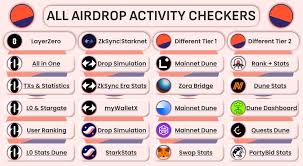

Crypto airdrops are promotional events where blockchain projects give away free tokens to users. To qualify, you often need to meet specific criteria like holding a certain token, using a platform, joining a community, or performing simple tasks. Meeting these requirements increases your chances of receiving these digital rewards.
What Are Crypto Airdrops?
An airdrop is like a gift from a new cryptocurrency project. They give away some of their digital coins or tokens to people. Why do they do this?
It’s a smart way to get their project noticed. Imagine a new coffee shop opening. They might give away free coffee samples.
This is the same idea, but with digital money.
Projects use airdrops for many reasons. First, it helps spread the word about their existence. The more people who have their tokens, the more likely the project is to get attention.
Second, it helps build a community around the project. People who receive tokens might feel more invested and interested in the project’s future.
Third, it can help decentralize the token’s ownership. If tokens are spread out among many different people, no single person or group has too much control. This is a key idea in many cryptocurrency projects.
Finally, it can be a way to reward early users or supporters of a project. If you helped test something or used it when it was new, you might get a reward.
Why Do Projects Give Away Free Tokens?
Projects see airdrops as a key marketing tool. It’s often cheaper than traditional advertising. Instead of paying for ads, they give tokens directly to potential users.
This creates a direct connection. When you receive a token, you might feel more inclined to learn about the project.
Building a user base is crucial for any new platform. Airdrops attract users who are interested in crypto. These users might try out the new platform to earn the airdrop.
This gives the project valuable feedback. It also helps them reach a wider audience quickly. A large user base can make a project seem more legitimate and promising.
Another big reason is to encourage adoption. If you have tokens for a specific decentralized exchange (DEX) or blockchain game, you might be more likely to use that platform. This helps the ecosystem around the token grow.
It’s a win-win: users get free crypto, and projects get users and promotion.
Sometimes, airdrops are a way to acknowledge past contributions. Early testers or participants in a project’s initial phase might receive tokens as a thank you. This builds goodwill.
It shows that the project values its community and its supporters.
Airdrop Goals for Projects
Awareness: Get the project’s name out there.
Users: Attract people to try the platform.
Community: Build a group of interested supporters.
Decentralization: Spread token ownership widely.
Reward: Thank early adopters and testers.
How Do Most Crypto Airdrops Work?
The process for getting an airdrop usually involves meeting certain conditions. These conditions vary a lot. Some are very simple.
Others require more effort or a deeper engagement with the project. It’s like following a recipe; you need to get all the ingredients and follow the steps.
The most basic type of airdrop might just require you to hold another specific cryptocurrency. For example, a project might say, “If you hold 100 coins of X, you’ll get Y tokens.” This is often called a “snapshot” airdrop. They take a picture of who holds the coin at a certain time.
Another common method is by completing tasks. These tasks are usually related to social media or using the project’s platform. You might need to follow them on Twitter, join their Telegram group, or retweet a post.
For platform-based airdrops, you might need to make a trade on their decentralized exchange or use their app.
Sometimes, airdrops are for users of a specific blockchain. If a new project is launching on Ethereum, they might give tokens to people who have used other popular Ethereum applications. This shows they want to be part of the existing ecosystem.
The project will announce the rules, the timing, and how to claim the tokens. It’s important to read these announcements carefully. Missing a deadline or misunderstanding a rule is how people miss out.
You’ll usually need a cryptocurrency wallet to receive the tokens.
My First Airdrop Experience: A Tale of a Misunderstood Tweet
I remember when I first got into crypto. It was all new and exciting. I was spending hours reading articles and trying to understand blockchain.
Then I started seeing posts about free tokens. I thought, “This sounds too good to be true!” I was a bit scared of doing something wrong, but also very curious.
One day, I saw a tweet from a project I vaguely followed. It said something about a “special distribution for early supporters.” My eyes lit up. I immediately thought, “This is it!
My chance!” I didn’t fully read the details. I just saw the word “early” and my heart started pounding a little faster. I thought I needed to do something fast.
So, I went to the link they provided. It looked like a website where I could connect my crypto wallet. Without much thought, I connected it.
Then it asked me to approve a transaction. I saw a small amount of gas fees, which seemed normal. I clicked “approve.” I felt a surge of adrenaline, thinking I had just secured myself some free crypto.
I waited for days, checking my wallet constantly. Nothing ever showed up. I was so confused.
Later, I found out that the tweet was for people who had already used their platform in a specific way months before. By connecting my wallet and approving a transaction, I had actually just paid for a very small, useless token that was likely a scam. It was a tough lesson.
I learned that day that reading every single word of an airdrop announcement is not just important; it’s essential. That moment of panic and disappointment taught me to be much, much more careful and diligent.
Common Ways to Qualify for Airdrops
There are several tried-and-true methods people use to increase their chances of getting airdrops. Think of these as your toolkit. The more tools you have, and the better you know how to use them, the more likely you are to succeed.
Your Airdrop Qualification Toolkit
- Hold Specific Tokens: Keep certain cryptocurrencies in your wallet.
- Use New Platforms: Try out new decentralized applications (dApps).
- Join Communities: Engage on social media like Twitter and Telegram.
- Complete Social Tasks: Follow, retweet, or join groups.
- Participate in Testnets: Help test new blockchain features.
- Provide Liquidity: Stake your crypto in DeFi protocols.
- Trade on DEXs: Make exchanges on decentralized platforms.
1. Holding Specific Cryptocurrencies
This is one of the easiest ways to qualify for some airdrops. Projects sometimes decide to airdrop tokens to holders of another, usually more established, cryptocurrency. For instance, a new project building on the Solana blockchain might airdrop tokens to people who already hold SOL.
The project will announce a specific date and time. They will take a “snapshot” of the blockchain to see who holds the required token. If you have the token in your wallet at that exact moment, you are eligible.
The number of tokens you hold might also determine how many you receive.
It’s important to hold the tokens in a wallet that the project can verify. Usually, this means a non-custodial wallet like MetaMask, Trust Wallet, or Phantom. If you hold your crypto on a centralized exchange (like Coinbase or Binance), you might not be eligible unless the exchange specifically supports the airdrop for its users.
Key Takeaway: Keep an eye on projects that are building on or integrating with blockchains that you already hold tokens for.
Snapshot Airdrop Insight
What it is: A snapshot is a record of all wallet addresses holding a specific token at a precise moment in time.
How it works: Projects use this data to determine eligibility for their token distribution.
Your role: Ensure you hold the required token in a compatible wallet before the snapshot occurs.
Pro Tip: Avoid moving tokens in and out of your wallet around the snapshot time, as this could exclude you.
2. Using New or Emerging Platforms (dApps)
Many projects want to encourage people to use their new applications, or decentralized applications (dApps). They might airdrop tokens to users who have interacted with their platform in a specific way. This is a very common method for projects launching on various blockchains.
Examples include using a new decentralized exchange (DEX) to swap tokens, providing liquidity to a trading pair, or interacting with a decentralized finance (DeFi) lending protocol. Sometimes, simply using the platform once is enough. Other times, they might require a certain volume of trades or a minimum amount of liquidity provided.
This type of airdrop is great for users because you are also exploring new tools in the crypto space. You might find a new platform that you genuinely like using. This approach encourages real usage and adoption, which is healthy for the crypto ecosystem.
Experience Tip: Always start small when testing a new platform. Don’t risk more than you are comfortable losing, especially when you are just trying to qualify for an airdrop.
dApp Interaction: A Quick Guide
Action: Use the application.
Goal: Perform key functions like trading, staking, or lending.
Requirement: Often involves a minimum transaction amount or frequency.
Benefit: You test a new service and gain eligibility.
3. Joining Communities and Social Media Engagement
Building a strong community is vital for any crypto project. Airdrops are often used to incentivize people to join and participate in these communities. This means engaging on platforms like Twitter, Discord, and Telegram.
Common tasks include following the project on Twitter, joining their Telegram channel or Discord server, and sometimes retweeting or liking their posts. Some airdrops might require you to answer a quiz about the project or invite friends to join the community.
You should always be careful about sharing personal information. Focus on following official channels and participating in discussions respectfully. Many projects have dedicated channels for announcements and support.
It’s a good idea to follow these closely.
Why it matters: Active community members often become the most loyal users and evangelists for a project.
Community Engagement Checklist
- Follow on Twitter: Stay updated on announcements.
- Join Discord/Telegram: Participate in discussions and ask questions.
- Retweet/Like: Help spread the word about the project.
- Be Active: Engage thoughtfully with other community members.
4. Participating in Testnets
Before a blockchain or dApp goes live, developers often run “testnets.” These are trial versions of the network where users can test features and find bugs. Developers use testnets to ensure everything works smoothly before it’s available to the public with real money involved.
Participating in testnets can be a great way to qualify for future airdrops. Projects often reward users who provide valuable feedback or help identify issues on their testnet. You’ll usually receive “test tokens,” which have no real-world value but allow you to perform transactions on the test network.
This method requires a bit more technical understanding. You’ll need to know how to set up your wallet for a testnet and how to request test tokens. However, the rewards can be substantial, as projects often value these early contributors highly.
Searching for “how to join testnet” will give you guides.
For the Technically Inclined: Testnet participation shows a deeper level of commitment and understanding of the project.
Testnet Participation Flow
Step 1: Find a project with an active testnet.
Step 2: Set up your wallet for the specific testnet.
Step 3: Request testnet tokens (usually from a “faucet”).
Step 4: Use the dApp or blockchain features.
Step 5: Provide feedback to the development team.
5. Providing Liquidity and Staking
Decentralized Finance (DeFi) protocols often reward users who contribute to their liquidity pools or stake their tokens. Providing liquidity means depositing pairs of tokens into a pool so that others can trade them. Staking means locking up your tokens to help secure the network or support the protocol.
Many new DeFi projects will launch their own tokens and then airdrop them to early liquidity providers or stakers. This helps bootstrap the liquidity of their new token and incentivizes users to hold and support the protocol.
You’ll typically need to deposit a pair of tokens (e.g., ETH and DAI) into a liquidity pool on a DEX. For staking, you’ll lock your tokens on a specific platform. The amount of reward often depends on how much you deposit or stake and for how long.
Important Note: Providing liquidity comes with risks, such as impermanent loss. Always understand these risks before you commit your funds.
DeFi Rewards: Liquidity vs. Staking
Liquidity Provision:
- What: Deposit token pairs into pools.
- Why: Enables trading for others.
- Risk: Impermanent loss is possible.
Staking:
- What: Lock tokens to support the network/protocol.
- Why: Earn rewards, secure the network.
- Risk: Token price volatility.
6. Trading on Decentralized Exchanges (DEXs)
Decentralized exchanges, like Uniswap, SushiSwap, or PancakeSwap, are foundational to the crypto world. Many new projects that are also DEXs or built on top of them will airdrop tokens to their active traders. This is a way to reward people who use their platform.
The criteria can vary greatly. Some DEXs might reward users who have made a certain number of trades, a certain volume of trades, or traded specific pairs of tokens. They might also reward users who have provided liquidity to their pools, as mentioned before.
If you are already actively trading crypto, make sure you are using decentralized exchanges sometimes. This not only helps you stay in the loop with potential airdrops but also allows you to experience a more censorship-resistant way of trading.
My Personal Habit: I try to use at least one major DEX each week for small trades. This keeps my wallet active and I’ve snagged a few good airdrops because of it.
DEX Trading Airdrop Tips
Focus: Interact with popular and emerging DEXs.
Frequency: Make regular, even small, trades.
Volume: Consider trading a variety of token pairs.
Liquidity: Explore providing liquidity if you’re comfortable with the risks.
Finding Potential Airdrop Opportunities
Knowing how to qualify is great, but where do you find out about these opportunities in the first place? It’s like knowing how to fish, but needing to find the best fishing spots. Here are some reliable ways to stay informed:
1. Crypto News Outlets and Blogs
Many reputable crypto news sites and blogs cover upcoming and ongoing airdrops. They often have dedicated sections or articles about them. Staying updated with these sources is key.
Look for sites that are well-known and have a good track record.
Examples: CoinDesk, CoinTelegraph, Decrypt, The Block, and many crypto-focused blogs. These sites often have teams dedicated to tracking these kinds of events.
2. Social Media Channels (Twitter, Telegram, Discord)
Twitter is a goldmine for real-time airdrop information. Many projects announce their campaigns there first. Following project accounts, crypto influencers, and dedicated airdrop aggregators can be very effective.
Telegram and Discord groups are also excellent for direct communication and announcements.
Tip: Create a separate Twitter list for crypto projects and airdrop hunters to keep your feed organized.
3. Airdrop Aggregator Websites
There are websites specifically designed to list and track cryptocurrency airdrops. These sites gather information from various sources and present it in an easy-to-digest format. They often categorize airdrops by type, eligibility requirements, and deadlines.
How to use them: Browse these sites regularly. Pay attention to the details provided for each airdrop. Check the project’s official website to confirm any information before participating.
4. Project Whitepapers and Roadmaps
When a project releases its whitepaper or roadmap, it often outlines its token distribution plans. This might include information about future airdrops for community members or early adopters. Reading these documents can give you a heads-up on potential opportunities.
Look for: Sections on tokenomics, community building, or marketing strategies. These often hint at airdrop plans.
5. Following Blockchain Ecosystems
If you are interested in a specific blockchain (like Ethereum, Polygon, Binance Smart Chain, etc.), follow news and developments related to that ecosystem. Projects launching on these blockchains are more likely to airdrop to existing users of that ecosystem.
Example: If you are active on the Polygon network, keep an eye on new dApps launching there. They might reward existing Polygon users.
Finding Airdrops: Your Radar
- News Sites: Stay informed with daily updates.
- Social Media: Real-time announcements from projects.
- Aggregators: Centralized lists of opportunities.
- Project Docs: Future plans and strategies revealed.
- Ecosystem Focus: Track trends within specific blockchains.
Real-World Context: The Airdrop Hunter’s Routine
Most experienced airdrop hunters develop a routine. It’s not about luck; it’s about consistent effort and smart strategy. My friend, Sarah, is a great example.
She’s not a coder or a deep finance expert, but she’s been successful with airdrops.
Sarah dedicates about an hour each morning to her “crypto routine.” First, she checks her curated Twitter list for any new airdrop announcements. She pays close attention to projects she’s already using or has shown interest in. If she sees something promising, she clicks through to the project’s official website and reads the announcement thoroughly.
Next, she checks a couple of her favorite airdrop aggregator sites. She looks for new listings and compares them to what she saw on Twitter. She’s particularly interested in airdrops that require interaction with dApps or participation in testnets, as these often have higher potential rewards.
She keeps a spreadsheet of which platforms she’s used, for how long, and what actions she took.
She also checks the Telegram and Discord groups for projects she’s following, just in case there are any community-specific tasks or announcements. Sometimes, projects will hint at future plans in these groups. She’s learned to spot these hints.
Finally, she checks any active testnets she’s participating in. She makes sure her wallet is set up correctly and completes a few transactions to stay active. She knows that consistency is key.
She doesn’t jump on every single airdrop. She focuses on those that align with her interests and her current crypto activities. This systematic approach has led her to some very rewarding airdrops over the years, without her having to spend a fortune or become a full-time trader.
When is an Airdrop Claimable?
The timing of an airdrop claim is crucial. Projects usually announce the claim period along with the eligibility criteria. This period can vary significantly.
Some airdrops are claimable immediately after the eligibility snapshot. Others might have a claim period that opens weeks or even months later. This is often done to build anticipation or to align with a specific project milestone, like a mainnet launch.
You’ll need to visit the official website of the project and connect your wallet. The website will have a section or button to claim your airdropped tokens. Always, always, always use the official link provided by the project.
Avoid clicking on random links from social media, as these can lead to scams.
What to watch for: Make sure the website URL is correct. Look for the “claim” or “airdrop” section. Your wallet will then prompt you to confirm the transaction, which usually involves paying a small gas fee for the network.
Claiming Your Airdrop: A Step-by-Step
1. Find the Official Claim Page: Use the project’s official website.
2. Connect Your Wallet: Ensure it’s the wallet you used for eligibility.
3. Check Eligibility: The site should show if you qualify.
4. Initiate Claim: Click the claim button.
5. Pay Gas Fees: Approve the transaction in your wallet.
6. Receive Tokens: Tokens will appear in your wallet shortly after.
What This Means for You: Be Smart, Not Greedy
Airdrops can be a fantastic way to boost your crypto holdings without much initial investment. However, it’s important to approach them with a clear head. They are often promoted as free money, but there are always hidden costs or effort involved.
When Airdrops are “Normal”
Airdrops are considered normal when they come from reputable projects with clear announcements and legitimate reasons for distribution. They are a common marketing and community-building strategy in the crypto space. Participating in a well-explained airdrop from a known project is generally safe.
When to Be Wary of Airdrops
Scams are rampant. If an airdrop asks you to send crypto to them first, it’s a scam. If they ask for your private keys or seed phrase, it’s a scam. If the website looks unprofessional or uses a slightly different URL than the official one, be extremely cautious.
Always verify information through multiple official channels. If something feels too good to be true, it probably is. Remember my story about the tweet?
That’s a classic example of falling for a quick, unverified offer.
Simple Checks Before Participating
Before diving into any airdrop:
- Verify the Project: Is it a legitimate project with a clear purpose?
- Check the Source: Is the announcement coming from the project’s official Twitter, website, or Discord?
- Read the Rules: Understand exactly what is required of you.
- Never Share Private Keys: Your seed phrase is your crypto’s safety.
- Beware of Fees: Only pay for network transaction fees (gas). Never send crypto to a project for an airdrop.
Airdrop Red Flags to Watch For
- Requesting Private Keys/Seed Phrases: Absolute scam.
- Asking You to Send Crypto First: Also a scam.
- Unprofessional Website/Communication: Poor quality often signals lack of legitimacy.
- Vague or Missing Information: Legitimate projects are usually clear.
- Promises of Guaranteed High Returns: Crypto is volatile; guarantees are rare.
Quick Tips for Airdrop Hunters
Here are some practical tips to make your airdrop hunting more effective and safer:
1. Use a Dedicated Wallet: Set up a new wallet specifically for airdrop hunting. This keeps your main holdings separate and safer.
You can fund this wallet with small amounts as needed.
2. Keep Records: Use a spreadsheet to track which airdrops you’ve applied for, what you did, and the date. This helps you remember and avoid duplicate efforts.
3. Follow Reputable Sources: Stick to well-known crypto news sites, project official channels, and trusted influencers. Avoid random links shared in direct messages.
4. Understand Gas Fees: Be aware that you’ll almost always need to pay network fees (gas) to claim an airdrop. Factor this into your decision.
Sometimes, the gas fee can be more than the airdrop is worth.
5. Be Patient: Airdrops can take weeks or months to become claimable after you qualify. Don’t get discouraged if you don’t see rewards immediately.
6. Diversify Your Strategy: Don’t put all your effort into just one type of airdrop. Try a mix of holding, using platforms, and community engagement.
7. Learn About the Projects: While you’re aiming for free tokens, try to learn about the projects you’re interacting with. You might discover truly innovative technologies.
Frequently Asked Questions About Airdrops
What is the easiest way to get an airdrop?
The easiest way often involves holding a specific cryptocurrency that a project decides to airdrop to. This requires no extra action other than holding the token in a compatible wallet at the time of the snapshot. However, these airdrops are often less common or have lower rewards.
Do I need to pay to receive an airdrop?
You do not need to pay the project itself to receive an airdrop. Legitimate airdrops are free. However, you will likely need to pay network transaction fees, called “gas fees,” to claim the tokens from the blockchain.
These fees vary depending on the network and its current congestion.
Can I get multiple airdrops from one project?
Sometimes, yes. Projects might conduct several phases of airdrops. For example, they might have one for early testers, another for early users of their mainnet, and a third for community engagement.
It depends on the project’s strategy and tokenomics.
How do I know if an airdrop is a scam?
Be suspicious if an airdrop asks you to send them crypto, share your private keys or seed phrase, or click on suspicious links. Always verify information through official project channels. If it sounds too good to be true, it likely is.
Reputable airdrops never ask for your private keys.
How much cryptocurrency can I expect from an airdrop?
The value of airdrops varies wildly. Some might be worth a few dollars, while others from popular projects can be worth thousands of dollars. It depends on the project’s success, the number of participants, and the total supply of tokens being distributed.
Should I use a separate wallet for airdrops?
Yes, it is highly recommended to use a separate, non-custodial wallet for airdrop hunting. This helps protect your main crypto holdings. You can fund this airdrop wallet with small amounts of crypto as needed for gas fees, minimizing your risk if a scam is encountered.
Conclusion: Your Journey into Airdrops Begins
Qualifying for crypto airdrops is an achievable goal for many. It requires diligence, staying informed, and a cautious approach. By understanding the common methods, using reliable sources, and always prioritizing security, you can increase your chances of receiving these valuable digital rewards.
Happy hunting!